
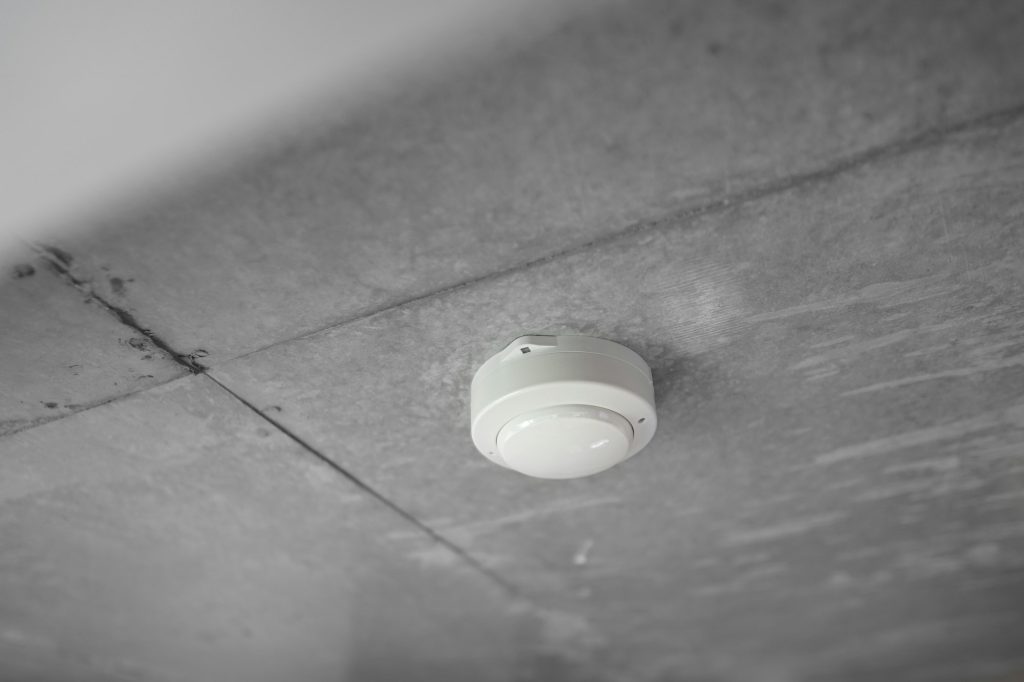
Before you list, there are two safety items worth checking, and neither shows up in a staging plan: your carbon monoxide alarms and your home’s electrical record. Both are inexpensive to sort out ahead of time and can be awkward to sort out in the middle of a sale.
This is general information, not legal advice. Your real estate lawyer can tell you what applies to your home and your agreement of purchase and sale.
Carbon monoxide alarms: the rules changed on January 1, 2026
Ontario’s carbon monoxide safety page (last updated December 30, 2025) says the Fire Code updates apply to all existing homes. A home needs a CO alarm if it has a fuel-burning appliance, a fireplace or an attached garage. As of January 1, 2026, that also includes a home heated by air from a fuel-burning appliance that isn’t inside the home.
The location rule is where many homeowners will notice a difference. Alarms are required adjacent to each sleeping area, and, from January 1, 2026, “on every storey of your home, including storeys that do not have sleeping areas.” If your alarms were installed only in the hallway by the bedrooms, a finished basement or main floor may now need one.
The province also says building owners are responsible for complying, and that it is against the law to remove the batteries or tamper with a CO alarm. The page notes that many devices on the market combine a smoke alarm and a CO alarm in one unit. For questions about a specific home, the province points to your local fire department.
A quick walk-through before photos and showings is enough: count the storeys, check that each one has an alarm where required, and make sure every unit works. It’s a small fix that removes one thing a buyer or inspector might raise.
Your electrical record: look for open notifications
The Electrical Safety Authority (ESA) explains that an ESA permit is separate from a building permit and is required for most electrical work. If you or a previous owner had work done, such as a panel upgrade, a renovated basement or an EV charger, it’s worth knowing whether the paperwork was closed.
ESA says anyone can run a Record Search to check for open or outstanding electrical permits on a property. ESA’s guidance for agents is that clients request a Search of Records before closing, which covers notifications since 2000. ESA also warns that an open notification “automatically transfers responsibility to the new homeowner.” In other words, a buyer’s lawyer may well run this search, and you’d rather learn about an open item from your own search than from theirs.
ESA also advises homeowners to obtain a Certificate of Acceptance from a Licensed Electrical Contractor once electrical work is complete. It describes the certificate as important for safety, insurance, resale and peace of mind, and notes an insurance company might request it. ESA’s information for real estate agents adds that insurers may deny claims tied to unlicensed electrical work, and that a buyer may ask for the certificate when the home is resold.
What to do with this before you list
- Check that each storey has a working CO alarm where the rules require one, including next to each sleeping area.
- Gather receipts and permits for any electrical work done while you’ve owned the home.
- Run an ESA Record Search and ask a licensed electrical contractor about anything that shows as open.
- Ask your lawyer whether a clause about electrical permits makes sense in your agreement. ESA suggests sellers can warrant that required electrical permits were obtained and the work was inspected and passed.
RECO also recommends consulting a lawyer who is insured to practice real estate law if you’re unsure about a contract, which is good advice for any question about what you’re promising a buyer.
Want to see how those costs fit into your bottom line? You can estimate what you’d walk away with. And if you’re planning to sell and want a pre-listing walk-through of the checklist, get in touch or request a home valuation.
Sources: Ontario: Carbon monoxide safety; ESA: Electrical Safety: A Smart Move for Buyers and Sellers; ESA: Information for Real Estate Agents; RECO: How do I choose a real estate agent as a seller?.
Photo: Yosuke Ota on Unsplash.