
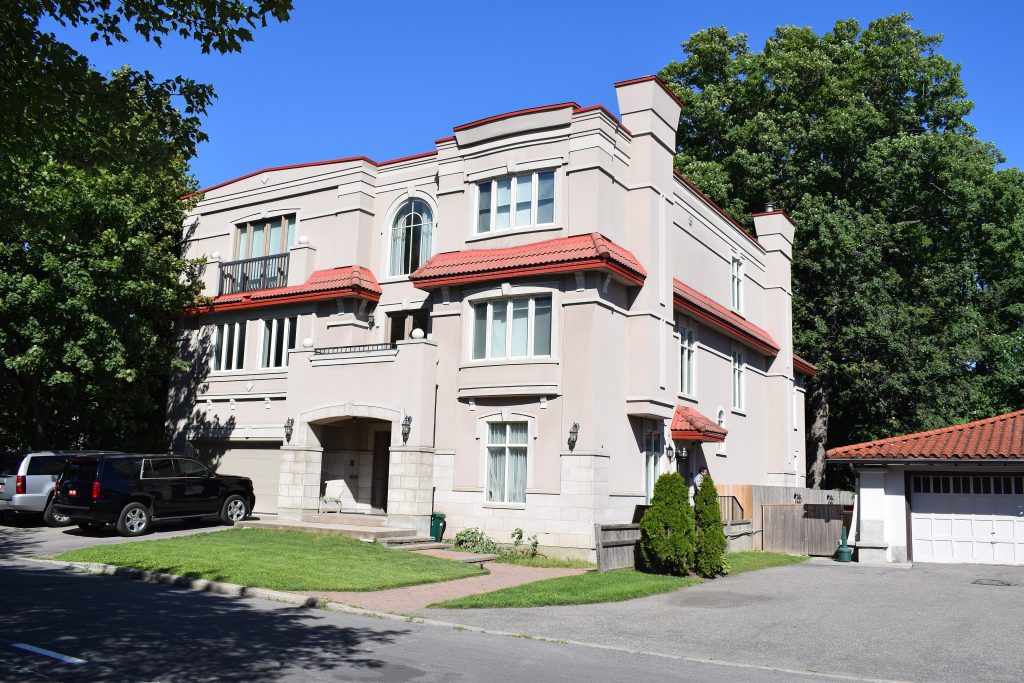
Most houses in the Glebe went up in the early 1900s. That’s a big part of the neighbourhood’s charm: brick fronts, big porches, high ceilings, original woodwork. It also means you’re buying a house that has lived through a century of renovations, some done well and some not.
Here’s what I’d want a home inspection to cover carefully.
Wiring
Some older homes still have knob-and-tube wiring hidden in the walls. Many insurance companies won’t cover a house with active knob-and-tube, or will charge more, so find out before you firm up your offer. Older electrical panels can raise the same issue.
Plumbing and the water line
Look for old galvanized steel pipes, which corrode from the inside. Also ask about the water service line from the street. Some older Ottawa homes still have lead service pipes, and the City runs a program to help homeowners replace them.
The basement
Century-old foundations can let water in. Look for stains, efflorescence (white, chalky marks on the walls), a sump pump, and signs of past repairs. Ask the sellers directly whether the basement has ever flooded.
Insulation and hidden materials
Older houses can contain vermiculite insulation or other materials that may contain asbestos. It’s usually manageable, but it affects renovation plans and costs.
Heating and oil tanks
Ask how the house is heated today and whether there was ever an oil tank. An old buried or abandoned tank is something your insurer and lawyer will want to know about.
None of this should scare you off. Most Glebe houses have been updated over the years, and a good inspector will tell you what’s been done and what’s left. Just don’t skip the inspection to win a bidding war on an old house.
If you’re house-hunting in the Glebe, get in touch.
Source: City of Ottawa, Lead and drinking water. This post is general information. Always use a qualified home inspector.
Photo by Cantons-de-l’Est, licensed under CC BY-SA 4.0, via Wikimedia Commons.